
Meta Ads (formerly Facebook Ads) remain one of the most effective tools for scaling Direct-to-Consumer (D2C) brands. With AI-driven optimization and full-funnel capabilities, Meta offers one of the best ROIs in digital advertising when used strategically.
In this guide, you’ll learn how to scale your D2C brand with Meta Ads by building structured campaigns, using performance-based creatives, and leveraging Meta’s latest tools like Advantage+ Shopping Campaigns.
Why Meta Ads Still Work for D2C Growth
Here’s why Meta Ads continue to drive growth for D2C brands:
- Visual shopping environment: Instagram and Facebook dominate product discovery.
- AI-powered targeting: Meta’s machine learning can identify high-value customers.
- Full-funnel capabilities: Reach, nurture, and convert all in one platform.
How Meta’s AI Works in 2025
Meta’s AI systems have advanced significantly. These are the key models powering ad delivery today:
- Lattice: Optimizes for long-term customer value.
- GEM (Goal-based Experience Management): Enhances ad performance by delivering a superior user experience.
- Andromeda: Analyzes and tests creative combinations at scale.
- Sequence Learning: Predicts conversions by understanding user behavior across platforms.
These systems prioritize good data and structured creativity. You can’t just set a budget and expect results; you need the right signals.
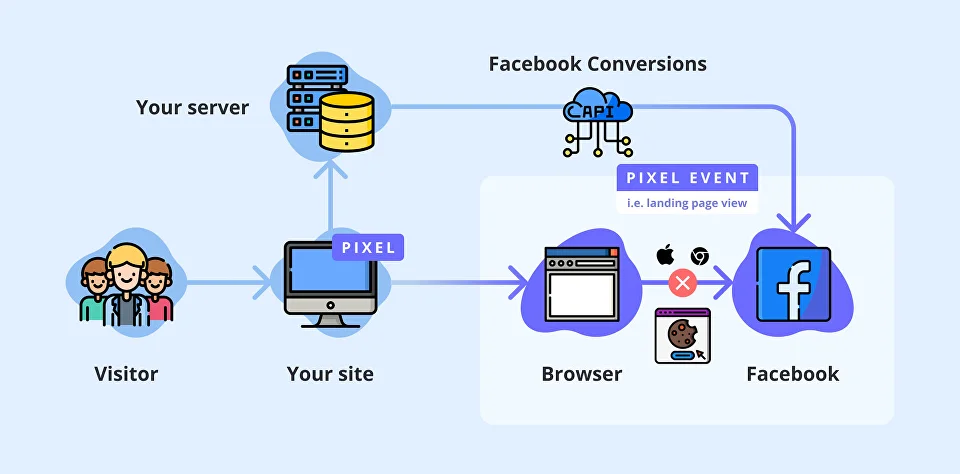
Step 1: Set Up Accurate Tracking with Pixel and CAPI
Before scaling, ensure your data setup is complete and accurate.
Essential Tracking Setup:
- Facebook Pixel is installed across your site.
- Conversion API (CAPI) is integrated for better event matching.
- Standard Events: ViewContent, AddToCart, InitiateCheckout, Purchase.
- Custom Conversions for segmenting based on product categories, AOV tiers, or funnel steps.
- Domain verification and event prioritization for iOS compliance.
This allows Meta to understand user behavior and optimize delivery effectively.
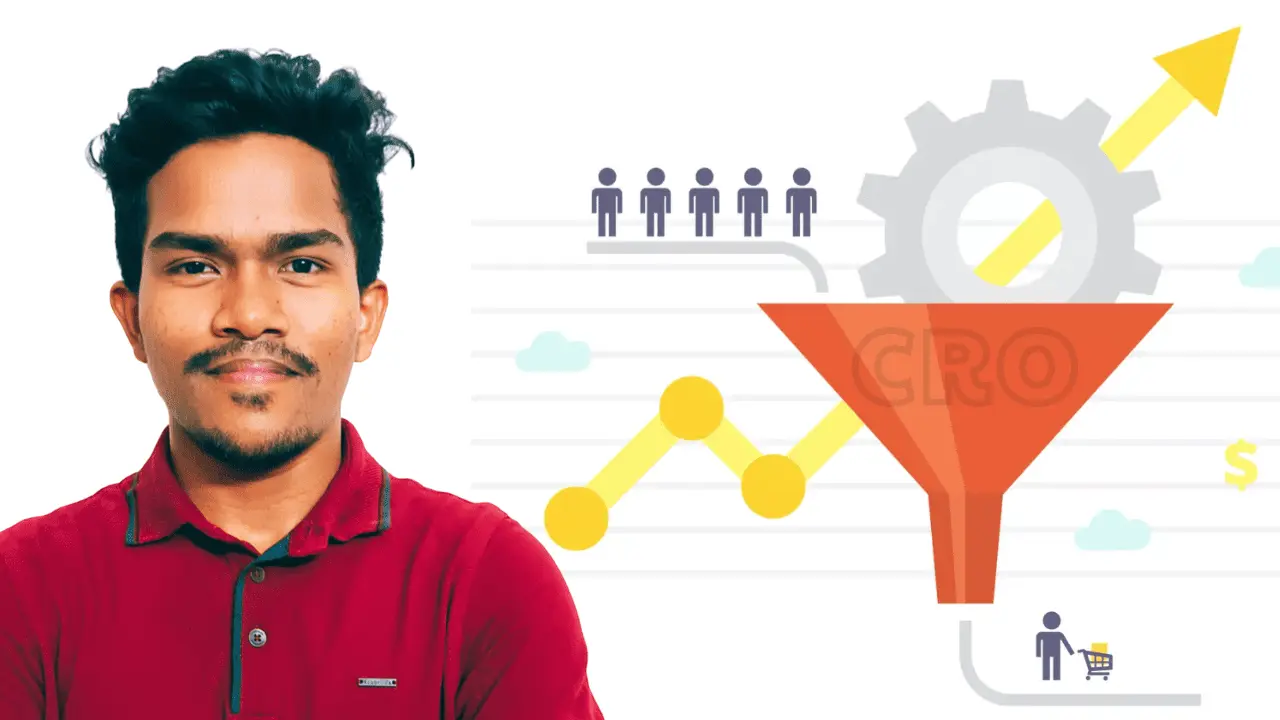
Step 2: Create a Full Funnel Meta Ads Strategy
Scaling is not just about spending more it’s about building a complete funnel that matches your customer journey.
Top of Funnel (TOFU): Awareness
- Objective: Reach new potential buyers.
- Creative: Native content, UGC, brand storytelling.
- Targeting: Broad or Advantage+ Shopping.
Middle of Funnel (MOFU): Engagement
- Objective: Nurture warm audiences.
- Creative: Product reviews, benefit-focused videos, problem-solution storytelling.
- Targeting: Video viewers, Instagram/Facebook engagers, website visitors.
Bottom of Funnel (BOFU): Conversion
- Objective: Drive purchases from high-intent users.
- Creative: Offer-based ads, urgency, discount stacking.
- Targeting: Add-to-cart, initiate checkout, purchase audiences.
Post-Purchase: Retention and Loyalty
- Objective: Increase customer lifetime value.
- Creative: Loyalty rewards, upsells, referral programs.
- Targeting: Past buyers and lookalikes based on high LTV.
Step 3: Optimize Creative for Performance
In 2025, creativity is the most important signal Meta’s AI uses to rank and deliver your ads.
What High-Performing Creatives Look Like:
- UGC-style with real faces, voice, and native camera formats.
- Strong hook in the first 2 seconds.
- Problem-solution-benefit storytelling format.
- Text overlays that highlight product benefits and social proof.
Example hook:
Tired of shirts that shrink after one wash? Our anti-shrink polos are trusted by 50,000+ customers.
Use 5 to 10 creatives per campaign to allow Meta to test and optimize effectively.
Step 4: Test, Analyze, and Iterate Weekly
Scaling isn’t a set-it-and-forget-it process. It’s a continuous feedback loop.
Weekly Performance Review Checklist:
- Review top performers by ROAS, CTR, and thumb-stop rate.
- Identify and pause underperforming creatives.
- Duplicate winning ad sets with new angles or audiences.
- Test new hooks, visuals, and formats every week.
A simple performance tracking sheet or dashboard will help you stay focused and allocate budget efficiently.
Step 5: Use Advantage+ Shopping Campaigns for Efficient Scaling
Advantage+ Shopping Campaigns (ASC) are designed for scaling with automation. They’re ideal for brands with 50+ purchases per week.
Benefits of ASC:
- Automatic budget distribution across creatives and audiences.
- No manual audience segmentation required.
- Data-driven creative optimization using Meta’s AI.
For best results, use ASC alongside your manual full-funnel structure to balance performance and control.
Final Thoughts
Scaling a D2C brand with Meta Ads in 2025 is possible, but only with the right foundation.
To succeed:
- Set up accurate tracking and event matching.
- Build a structured funnel from awareness to loyalty.
- Prioritize creative testing and optimization.
- Use AI-powered tools like Advantage+ to scale efficiently.
- Let data, not assumptions, guide your decisions.
Done right, Meta will do the heavy lifting while you focus on product and customer experience.