

Google Tag Manager (GTM) is a revolutionary tool in digital marketing. It allows marketers to efficiently manage tracking tags on their websites. These tags are crucial for collecting essential data that fuels and refines marketing strategies. GTM simplifies this process, making tag management accessible and less time-consuming.
1. What is Google Tag Manager?
Google Tag Manager (GTM) is a powerful platform designed by Google to simplify the management of tracking tags on websites. These tags, essential for collecting data, were traditionally difficult to manage due to their technical complexity. GTM transforms this process by offering an intuitive user interface, allowing marketers to easily create, organize, and manage their tags. This ease of use makes GTM indispensable for any digital marketing strategy, enabling accurate, real-time data collection, essential for understanding user behavior and measuring campaign effectiveness.
2. Tracking Tags: Heart of GTM
Tracking tags are pieces of code inserted into web pages that are essential for tracking user interactions and collecting data. In GTM, these tags are centrally managed, allowing users to track a variety of actions on their site, such as clicks, page views, or form submissions. This centralization of tags in GTM not only simplifies their management but also ensures consistent and reliable data collection, crucial for any marketing analysis.
3. GTM and Marketing Strategy
GTM plays a crucial role in developing and optimizing marketing strategies. By enabling accurate, real-time data collection, GTM helps marketers understand user behavior on their site. This insight allows them to adjust marketing strategies to better target audiences, improve user engagement, and increase the return on investment of advertising campaigns. GTM is therefore becoming an essential tool for effectively managing marketing strategies in a constantly evolving digital environment.
4. Simplified Data Collection with GTM
Data collection is a fundamental aspect of digital marketing. GTM simplifies this process by allowing users to manage all their tracking tags from a single interface. This centralization eliminates the need to modify the source code for each new tag, reducing the risk of errors and saving valuable time. With GTM, marketers can focus on analyzing the collected data to refine their strategies, rather than the technical aspects of data collection.
5. Triggers and Variables in GTM
Triggers in GTM are specified conditions that activate tags. For example, a trigger can be configured to activate a tag when the user clicks a specific button. Variables, on the other hand, are additional information that can be used by tags and triggers. For example, a variable can store the value of a product added to the cart. The combination of triggers and variables allows for advanced tracking customization, making GTM extremely powerful for collecting specific and relevant data.
6. The GTM User Interface
GTM’s user interface is designed to be intuitive and easy to use, even for those without extensive technical skills. It allows users to create and manage tags, triggers, and variables in a visual and interactive way. This ease of use makes GTM accessible to a wide range of users, from marketers to web developers, and enables quick and efficient implementation of tracking strategies.
7. Integration of GTM with Google Analytics and Other Tools
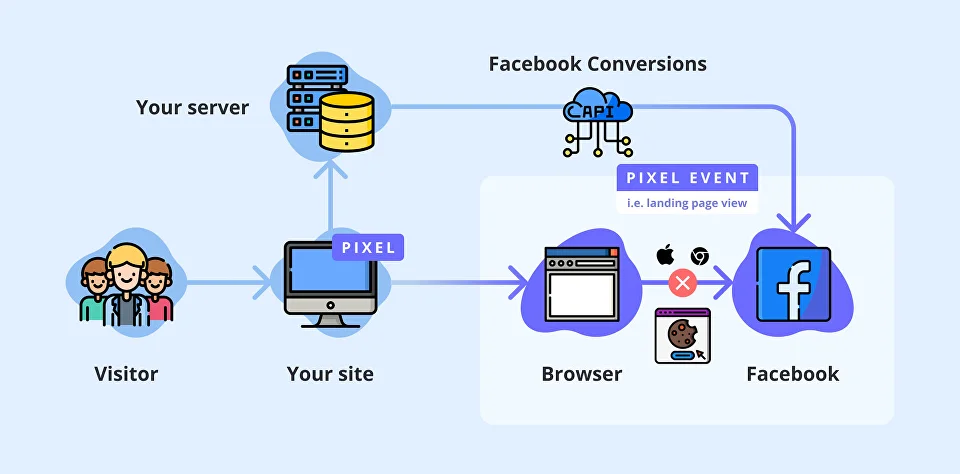
GTM works seamlessly with Google Analytics, enabling seamless integration for tracking website statistics. Additionally, GTM can be integrated with other advertising platforms such as Facebook Ads and Google Ads, allowing for accurate ad performance tracking. This extensive integration makes GTM extremely versatile and powerful, providing marketers with a comprehensive view of their campaign performance across multiple channels.
8. Simplifying Code with GTM
GTM greatly simplifies the insertion and management of code on websites. Before GTM, adding each new tag required manual editing of the source code, a process that was both tedious and error-prone. With GTM, tags are centrally managed and can be added or modified without touching the source code, making life much easier for developers and marketers.
Conclusion
Google Tag Manager is an essential tool for any digital marketer. It simplifies data collection, improves the effectiveness of marketing strategies, and offers unparalleled flexibility and power in tracking tag management. Adopting it can transform the way businesses approach digital marketing, allowing them to focus on what really matters: analyzing data and optimizing campaigns for maximum impact.
Contact Details:
-
LinkedIn: Mahamudul Hasan